Social Security Disability 2026: Boost Approval Rates by 60% with Our 5-Step Guide

Anúncios
Social Security Disability in 2026: Navigating the Application Process for a 60% Higher Approval Rate – A 5-Step Guide
Are you considering applying for Social Security Disability benefits in 2026? The landscape of disability claims can be complex and daunting, but with the right strategy, you can significantly increase your chances of approval. This comprehensive guide will walk you through a proven 5-step process designed to help you navigate the system effectively, aiming for a remarkable 60% higher approval rate. Understanding the nuances of Social Security Disability in 2026 is crucial, as regulations and interpretations can evolve. Our goal is to equip you with the knowledge and tools to confidently pursue the benefits you deserve.
The Social Security Administration (SSA) reviews millions of disability applications each year, and unfortunately, a significant percentage are denied initially. However, many denials are due to common mistakes or a lack of understanding of the system. By focusing on key areas – from thorough preparation to strategic appeals – you can position your claim for success. This article delves deep into each step, offering practical advice and insights into what the SSA looks for. Let’s embark on this journey to demystify the Social Security Disability application process and empower you to achieve a favorable outcome.
Anúncios
Understanding Social Security Disability in 2026: What’s New?
Before diving into the application process, it’s essential to grasp the current context of Social Security Disability in 2026. While the core definitions of disability remain largely consistent – an inability to engage in any substantial gainful activity (SGA) due to a medically determinable physical or mental impairment that has lasted or is expected to last for a continuous period of not less than 12 months, or result in death – there might be subtle shifts in how these criteria are interpreted or how evidence is weighed. Staying informed about any potential legislative changes, updated SSA guidelines, or shifts in judicial precedents is paramount. Although major overhauls are rare without significant public discourse, minor administrative adjustments can still impact your claim.
Key Considerations for 2026 Applicants:
- Substantial Gainful Activity (SGA) Thresholds: The SGA amount typically increases each year. For 2026, be aware of the updated monthly earnings limit for non-blind individuals and blind individuals. Exceeding this limit generally indicates that you are not disabled according to SSA rules.
- Cost of Living Adjustments (COLA): Disability benefits, like other Social Security benefits, are subject to annual COLA increases. While this doesn’t directly affect your eligibility, it impacts the potential benefit amount.
- Focus on Medical Evidence: The SSA continues to place immense importance on objective medical evidence. Expect rigorous scrutiny of your medical records, treatment history, and diagnostic test results. The more comprehensive and consistent your medical documentation, the stronger your case for Social Security Disability in 2026.
- Digital Application Trends: The SSA has been increasingly moving towards digital processes. While paper applications are still accepted, familiarity with the online application portal and electronic submission of documents can streamline your process.
- Emphasis on Vocational Factors: For individuals whose impairments do not meet a listed impairment, the SSA will assess your residual functional capacity (RFC) and consider your age, education, and past work experience to determine if you can perform other work. This vocational assessment remains a critical component of the disability determination.
By understanding these foundational elements of Social Security Disability in 2026, you lay a strong groundwork for a successful application. Knowledge is power, and being aware of the environment in which your claim will be evaluated is the first step towards a higher approval rate.
Step 1: Thorough Preparation – The Foundation of a Strong Claim
The adage "failing to prepare is preparing to fail" holds immense truth in the context of Social Security Disability applications. A well-prepared application is the single most significant factor in achieving a 60% higher approval rate. This step involves meticulous gathering of information and understanding what the SSA needs to see.
a. Gathering Comprehensive Medical Records:
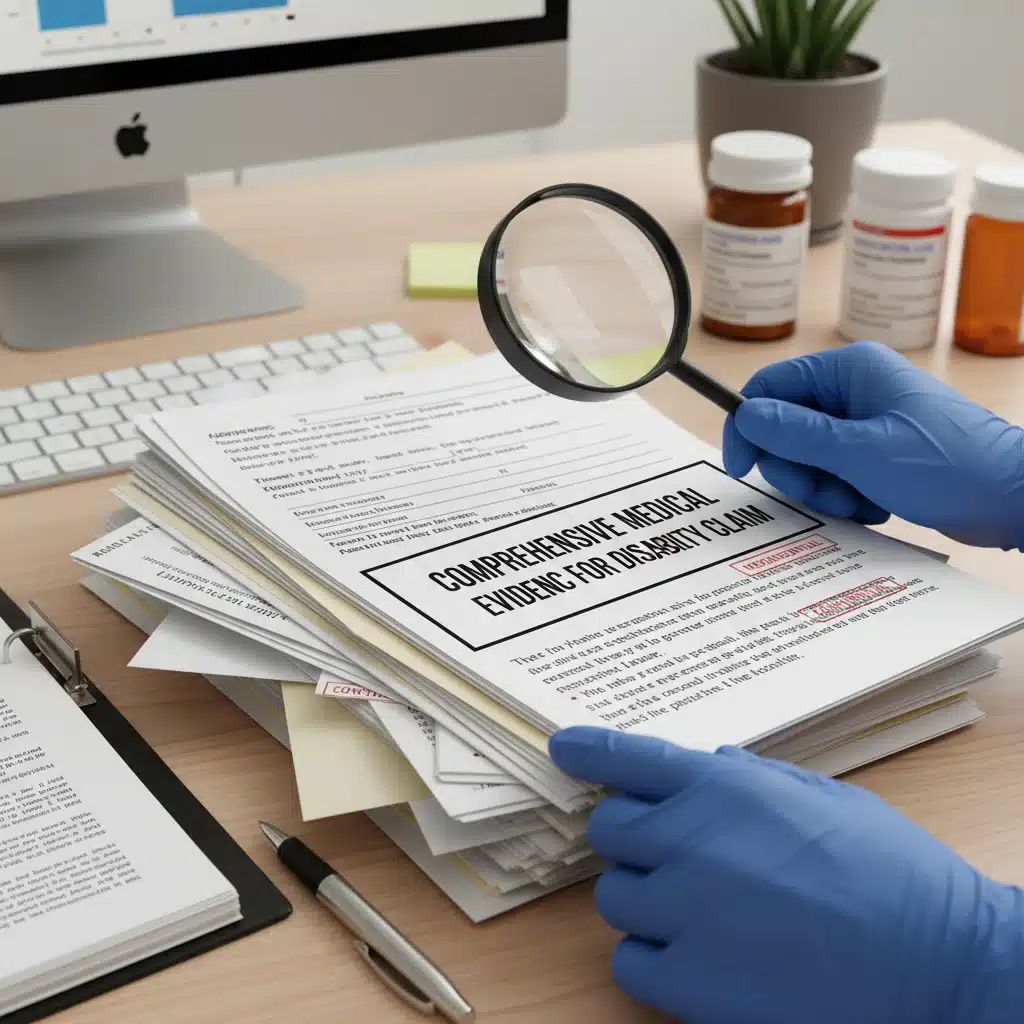
Your medical history is the cornerstone of your disability claim. The SSA relies heavily on objective medical evidence to determine if your condition meets their definition of disability. Start by compiling all relevant medical records from every doctor, specialist, hospital, clinic, and therapist you have seen for your disabling condition(s).
- Doctor’s Notes and Progress Reports: These should detail your diagnosis, symptoms, prognosis, treatment plans, medications, and your response to treatment. Crucially, they should also include specific limitations imposed by your condition.
- Diagnostic Test Results: X-rays, MRIs, CT scans, nerve conduction studies, blood tests, psychological evaluations, and any other objective tests that support your diagnosis and the severity of your impairment.
- Treatment History: Records of surgeries, therapies (physical, occupational, mental health), hospitalizations, and rehabilitation programs.
- Medication List: A complete list of all prescribed medications, dosages, and any side effects you experience.
Ensure your doctors are aware you are applying for Social Security Disability in 2026 and ask them to be as detailed as possible in their notes regarding your functional limitations. Statements from your treating physicians outlining your inability to perform work-related activities (e.g., standing, sitting, lifting, concentrating, interacting with others) are invaluable.
Anúncios
b. Documenting Your Work History:
The SSA will need a detailed account of your past work. This includes jobs held in the last 15 years, job titles, dates of employment, average earnings, and a description of your duties for each position. Be specific about the physical and mental demands of your past jobs. This information helps the SSA determine if you can still perform your past relevant work.
c. Creating a Detailed Symptom Log:
While medical records provide objective evidence, your personal account of how your disability affects your daily life is also vital. Keep a detailed log of your symptoms, pain levels, fatigue, limitations in daily activities (e.g., cooking, cleaning, personal care), and how your condition impacts your ability to perform work-related tasks. This log can supplement your medical records and provide a holistic view of your impairment. Be consistent and honest.
d. Identifying "Listing of Impairments" Criteria:
The SSA maintains a "Listing of Impairments" (often called the "Blue Book"), which describes medical conditions severe enough to prevent an individual from performing any substantial gainful activity. Review the relevant listings for your condition(s) and gather specific evidence that demonstrates you meet or medically equal these criteria. This can significantly expedite your approval for Social Security Disability in 2026.
Step 2: Completing the Application Accurately and Thoroughly
Once you have gathered all necessary documentation, the next critical step is to complete the application forms accurately and thoroughly. Incomplete or inconsistent information is a common reason for initial denials. Take your time, read all instructions carefully, and ensure every section is filled out to the best of your ability.
a. Online Application vs. Paper Application:
The SSA encourages applicants to apply online, which can often be faster and allows you to save your progress. However, if you prefer, paper applications are available. Whichever method you choose, ensure you have all your information at hand before you begin.
b. Providing Detailed Information on Your Impairment:
When describing your medical condition, be specific about how it limits your ability to work. Don’t just list your diagnosis; explain the symptoms, their severity, how often they occur, and how they prevent you from performing job duties you’ve done in the past or any other type of work. Use concrete examples from your daily life.
c. Listing All Treating Sources:
Provide accurate contact information for all your doctors, hospitals, and other medical providers. The SSA will contact these sources to obtain your medical records. Any missing or incorrect contact information can lead to delays or even a denial if the SSA cannot obtain the necessary evidence.
d. Explaining Your Work Limitations:
Be very clear about your functional limitations. Can you lift 10 pounds? How long can you stand or sit? Can you concentrate for extended periods? Do you have issues with memory or understanding instructions? These details are crucial for the SSA to assess your Residual Functional Capacity (RFC), which determines what work, if any, you are still capable of doing. This is especially important for Social Security Disability in 2026, as the SSA’s focus on functional capacity remains strong.
e. Being Honest and Consistent:
Always be truthful in your application. Inconsistencies between your application, medical records, and statements to the SSA can raise red flags and jeopardize your claim. Your credibility is a vital component of the evaluation process.
Step 3: Cooperating with the SSA and Attending Consultative Exams
After submitting your application for Social Security Disability in 2026, the SSA will begin its review process. Your cooperation during this phase is critical to avoid unnecessary delays or denials.
a. Responding Promptly to SSA Requests:
The SSA may send you requests for additional information or clarification. Respond to these requests as quickly and thoroughly as possible. Missing deadlines can lead to your application being denied.
b. Attending Consultative Examinations (CEs):
The SSA may schedule you for a Consultative Examination with an independent doctor. This exam is paid for by the SSA and is used to gather additional medical evidence. It’s crucial to attend these appointments. Be honest and accurate about your symptoms and limitations during the exam. Do not exaggerate or downplay your condition. Remember, the CE doctor is not your treating physician and may not be familiar with your complete medical history. Provide a consistent account of your symptoms as you have documented in your application and with your own doctors.
c. Continuing Medical Treatment:
It is vital to continue seeking medical treatment for your disabling condition while your application is pending. The SSA looks for ongoing medical care to confirm the severity and persistence of your impairment. Gaps in treatment can be interpreted as an improvement in your condition or a lack of severity, weakening your claim for Social Security Disability in 2026.
Step 4: The Importance of Appeals – Don’t Give Up!
Many initial applications for Social Security Disability in 2026 are denied. This is a common occurrence and should not deter you. The appeals process is a crucial opportunity to present a stronger case and significantly increase your approval rate.
a. Understanding the Levels of Appeal:
There are generally four levels of appeal:
- Reconsideration: A complete review of your claim by a different examiner who was not involved in the initial decision. New evidence can be submitted at this stage.
- Hearing by an Administrative Law Judge (ALJ): If reconsideration is denied, you can request a hearing before an ALJ. This is often the best chance for approval, as you can present your case in person, offer testimony, and have witnesses (including medical and vocational experts) testify on your behalf.
- Appeals Council Review: If the ALJ denies your claim, you can request a review by the SSA’s Appeals Council. They will determine if the ALJ made an error of law or if the decision is supported by substantial evidence.
- Federal Court Review: As a last resort, you can file a lawsuit in federal district court.
b. Submitting New and Updated Medical Evidence:
Each stage of appeal, especially reconsideration and the ALJ hearing, is an opportunity to submit new and updated medical evidence. If your condition has worsened, or you have seen new specialists, ensure this information is provided to the SSA. This ongoing documentation strengthens your argument for Social Security Disability in 2026.
c. Preparing for an ALJ Hearing:
If your claim reaches the ALJ hearing stage, thorough preparation is key. This includes reviewing your entire file, identifying weaknesses, and preparing your testimony. Your testimony should be consistent with your medical records and application, focusing on your functional limitations and how they prevent you from working.
Step 5: Seeking Professional Assistance – A Game Changer for Approval Rates
While it is possible to navigate the Social Security Disability process on your own, statistics show that applicants who retain legal representation (an attorney or a non-attorney representative) have a significantly higher chance of approval. This is often the "secret sauce" to achieving a 60% higher approval rate, especially when dealing with the complexities of Social Security Disability in 2026.
a. Benefits of Legal Representation:
- Expertise in Disability Law: A qualified representative understands the intricate rules, regulations, and medical criteria used by the SSA. They know what evidence is most persuasive and how to present it effectively.
- Gathering and Organizing Evidence: Representatives often assist in obtaining and organizing your medical records, ensuring nothing is missed and everything is presented clearly.
- Communicating with the SSA: Your representative can handle all communications with the SSA, reducing your stress and ensuring timely responses to all inquiries.
- Preparing for Hearings: They will prepare you for any consultative examinations and, most importantly, for an Administrative Law Judge (ALJ) hearing. They can question witnesses, cross-examine vocational or medical experts, and present legal arguments on your behalf.
- Appeals Process Navigation: If your initial application is denied, a representative can expertly guide you through the appeals process, ensuring all deadlines are met and new evidence is submitted appropriately.
- No Upfront Fees: Disability attorneys typically work on a contingency basis, meaning they only get paid if you win your case. Their fee is capped by law at 25% of your past-due benefits, up to a maximum amount.

b. When to Seek Representation:
It’s advisable to seek legal representation as early as possible in the process, ideally before you even file your initial application. This allows your representative to help you build the strongest possible case from the outset. However, it’s never too late to hire a representative, even if your claim has been denied and you are entering the appeals process.
Common Pitfalls to Avoid When Applying for Social Security Disability in 2026
To further boost your approval rate for Social Security Disability in 2026, be mindful of common mistakes that lead to denials:
- Lack of Consistent Medical Treatment: As mentioned, gaps in treatment can be detrimental. Continue seeing your doctors regularly.
- Insufficient Medical Evidence: Relying solely on your own testimony without objective medical proof is a common error.
- Failing to Follow Doctor’s Orders: If you don’t follow prescribed treatments without a good reason, the SSA may deny your claim.
- Engaging in Substantial Gainful Activity: Working above the SGA limit while applying for disability will almost certainly lead to a denial.
- Incomplete or Inaccurate Application: Rushing through the forms or providing incorrect information can cause significant delays or outright denials.
- Missing Deadlines: The SSA has strict deadlines for appeals. Missing them can permanently bar you from pursuing your claim.
- Poor Communication with the SSA: Not responding to requests for information or failing to attend scheduled appointments.
- Understating or Overstating Symptoms: Be honest and consistent. Exaggerating can hurt your credibility, while downplaying your symptoms can lead the SSA to believe you are not as impaired as you truly are.
Conclusion: Empowering Your Social Security Disability in 2026 Journey
Navigating the Social Security Disability system in 2026 requires diligence, patience, and a strategic approach. By following this 5-step guide – from thorough preparation and accurate application to understanding the appeals process and seeking professional help – you are not just applying; you are building a compelling case. The goal of achieving a 60% higher approval rate is ambitious but attainable with meticulous attention to detail and a proactive mindset.
Remember that the SSA’s primary objective is to determine if your medical condition prevents you from performing substantial gainful activity. Every piece of evidence, every statement, and every action you take should support this core assertion. Do not get discouraged by initial denials; instead, view them as opportunities to strengthen your case through the appeals process. With the right strategy and, ideally, the support of an experienced representative, you can successfully secure the Social Security Disability benefits you need and deserve in 2026. Take control of your future by being informed, prepared, and persistent.