
Unpacking the Proposed 2026 Affordable Care Act Amendments: A Comprehensive Guide
The landscape of healthcare in the United States is perpetually in motion, with policy discussions and legislative proposals frequently shaping its future. As we look towards 2026, significant proposed amendments to the Affordable Care Act (ACA) are on the horizon, promising to reshape how millions of Americans access and afford medical care. These potential changes, collectively referred to as the ACA 2026 Amendments, are not merely minor tweaks but represent a substantial effort to address existing challenges and introduce new frameworks for healthcare delivery and financing. Understanding these proposals is paramount for individuals, families, healthcare providers, and policymakers alike, as they could profoundly impact everything from insurance premiums and out-of-pocket costs to the scope of covered services and eligibility criteria.
The Affordable Care Act, signed into law in 2010, has been a cornerstone of American healthcare policy, expanding coverage to millions previously uninsured and introducing critical consumer protections. However, it has also faced persistent debates regarding its effectiveness, affordability, and overall structure. The proposed ACA 2026 Amendments aim to build upon its foundational principles while simultaneously addressing criticisms and adapting to the evolving needs of the population. This article delves deep into the specifics of these proposed changes, offering a detailed analysis of their potential implications and what they could mean for your healthcare future.
From enhanced subsidies designed to make insurance more affordable for low and middle-income families to potential shifts in state-level responsibilities and the expansion of specific benefits, the scope of these amendments is vast. We will explore the key pillars of the proposed changes, examine the rationale behind them, and discuss the various viewpoints surrounding their implementation. Whether you are an insured individual, someone considering their options on the marketplace, a healthcare professional, or simply a concerned citizen, this comprehensive guide will equip you with the knowledge needed to navigate the complexities of the forthcoming ACA 2026 Amendments.
Anúncios
The Genesis of Change: Why the ACA is Being Amended for 2026
The Affordable Care Act, while revolutionary in its intent and impact, has always been a subject of intense political and economic scrutiny. Since its inception, various aspects of the law have been challenged, adjusted, or debated. The impetus for the proposed ACA 2026 Amendments stems from a combination of factors, including persistent concerns about affordability, gaps in coverage, and the overall sustainability of the healthcare system. Despite significant gains in reducing the uninsured rate, many Americans still struggle with high deductibles, co-pays, and prescription drug costs, even with insurance.
One of the primary drivers behind these new proposals is the desire to further stabilize the individual insurance marketplaces. Over the years, these marketplaces have experienced periods of volatility, with some insurers exiting certain regions and premium increases impacting consumers. The ACA 2026 Amendments seek to inject greater stability through mechanisms that could encourage broader insurer participation and more competitive pricing. Furthermore, there’s a recognized need to address the social determinants of health more directly within the framework of federal healthcare policy. This involves moving beyond simply providing access to care and actively working to mitigate factors like food insecurity, housing instability, and lack of transportation, which profoundly affect health outcomes.
Technological advancements also play a crucial role in shaping the future of healthcare. The rise of telehealth, artificial intelligence in diagnostics, and personalized medicine presents both opportunities and challenges that current ACA provisions may not fully address. The proposed amendments aim to integrate these innovations more effectively into the healthcare system, ensuring that policy keeps pace with progress. Moreover, lessons learned from public health crises, such as the recent global pandemic, have underscored the importance of a robust and resilient healthcare infrastructure, prompting a re-evaluation of emergency preparedness and public health funding within the context of the ACA. These multifaceted motivations highlight the comprehensive nature of the ACA 2026 Amendments and their potential to usher in a new era for American healthcare.
Key Proposed Changes in the ACA 2026 Amendments
The specifics of the ACA 2026 Amendments are extensive, touching upon several critical areas of healthcare policy. While final details are still subject to legislative processes, several core proposals have emerged as central to the discussion. Understanding these key changes is crucial for anyone seeking to comprehend the future direction of healthcare in the U.S.
Anúncios
Expanded Subsidies and Affordability Enhancements
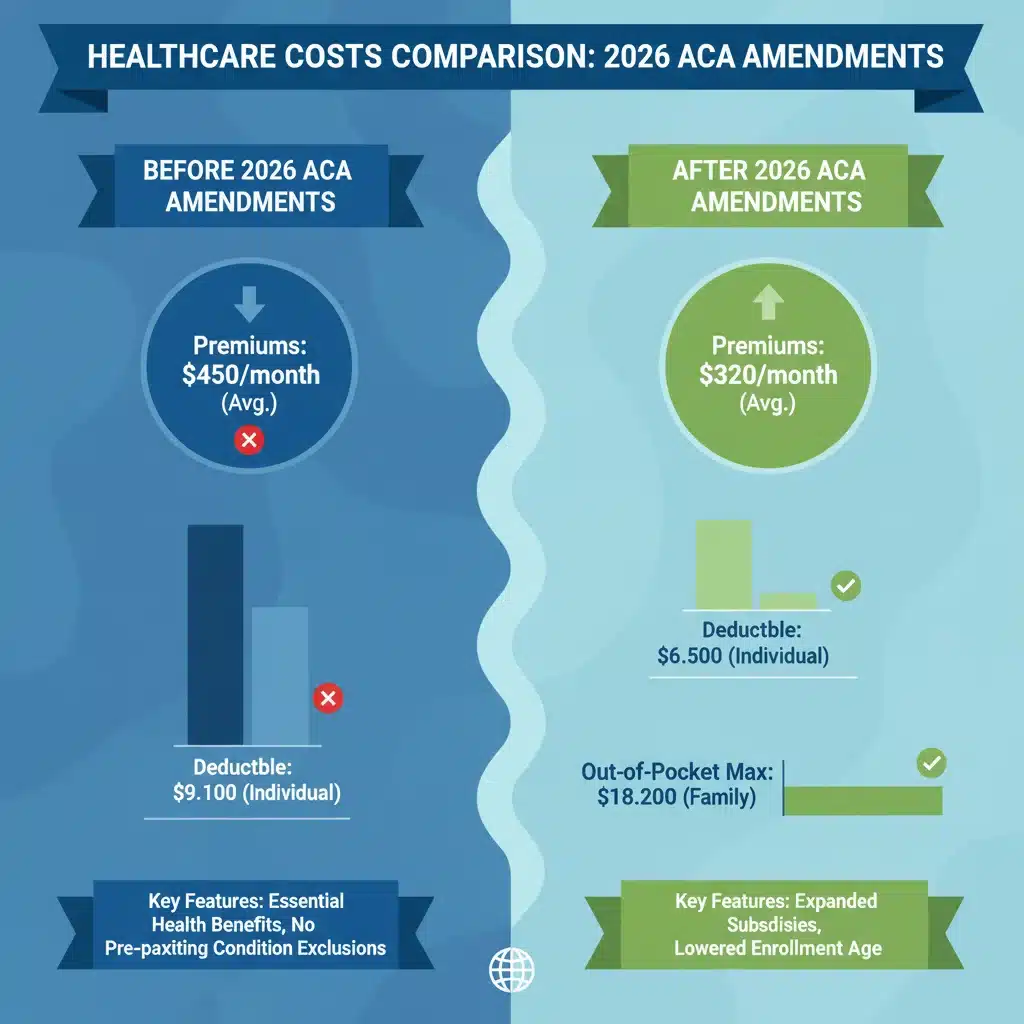
A cornerstone of the proposed ACA 2026 Amendments is the significant expansion and enhancement of financial subsidies. Currently, premium tax credits are available to individuals and families within certain income thresholds to help offset the cost of health insurance premiums purchased through the marketplace. The new proposals aim to increase the generosity of these subsidies, making insurance more affordable for a wider range of income levels. This could involve raising the income cap for eligibility, increasing the percentage of premium costs covered by subsidies, or both. The goal is to ensure that healthcare premiums represent a smaller portion of household income, thereby reducing the financial burden on millions of Americans.
Furthermore, there are discussions around bolstering cost-sharing reductions (CSRs), which help lower out-of-pocket costs like deductibles, co-payments, and co-insurance for eligible individuals. By making these reductions more robust, the ACA 2026 Amendments seek to not only make monthly premiums more manageable but also to ensure that once insured, individuals can actually afford to use their coverage without facing prohibitively high expenses at the point of service. These affordability enhancements are expected to be a major selling point of the new legislative package, aiming to address one of the most persistent criticisms of the current ACA structure.
Changes to Essential Health Benefits (EHBs)
The ACA currently mandates that all plans offered on the marketplace cover ten categories of essential health benefits (EHBs), including ambulatory patient services, emergency services, hospitalization, maternity and newborn care, mental health and substance use disorder services, prescription drugs, rehabilitative and habilitative services, laboratory services, preventive and wellness services, and pediatric services. The proposed ACA 2026 Amendments may introduce adjustments to these EHBs. This could involve clarifying existing definitions, adding new services to the mandated list, or providing greater flexibility for states to tailor EHB packages to local needs, while still maintaining a robust minimum standard of care.
For instance, there is growing advocacy for more comprehensive coverage of dental, vision, and hearing services for adults, which are currently not uniformly included in EHBs. Expanding EHBs could lead to more inclusive coverage, but it also raises questions about potential impacts on premiums. The debate around EHB modifications will likely focus on balancing comprehensive care with affordability, ensuring that any changes genuinely improve patient outcomes without creating undue financial strain on the system or consumers. The careful crafting of these EHB modifications will be critical to the success and acceptance of the ACA 2026 Amendments.
Revisions to Employer Mandates and Small Business Support
The employer mandate, requiring larger employers to offer affordable health insurance to their full-time employees, has been another contentious aspect of the ACA. The ACA 2026 Amendments might introduce revisions to this mandate, potentially adjusting the thresholds for employer size, altering the definition of “affordable,” or offering new incentives for small businesses to provide coverage. The aim here is often twofold: to ensure that employers contribute fairly to their employees’ healthcare while also alleviating any undue burden on businesses, particularly small enterprises that may struggle with the administrative and financial complexities of offering health benefits.
New tax credits or subsidies specifically targeted at small businesses that offer health insurance could be part of the package, designed to make it more attractive and feasible for them to do so. These revisions could significantly impact the employer-sponsored insurance market, potentially leading to more widespread coverage or, conversely, prompting some employers to reassess their offerings. The policy goal is to create a more equitable and sustainable system where both individual and employer responsibilities are clearly defined and supported. The business community will be watching these aspects of the ACA 2026 Amendments closely.
Addressing Prescription Drug Costs
One of the most pressing healthcare issues facing Americans today is the soaring cost of prescription drugs. The proposed ACA 2026 Amendments are expected to include significant provisions aimed at tackling this challenge. These could range from allowing Medicare to negotiate drug prices – a long-standing point of contention – to implementing caps on out-of-pocket prescription drug costs for individuals, similar to measures seen in other legislative efforts. Other potential reforms include speeding up the approval process for generic drugs, increasing transparency in drug pricing, and penalizing pharmaceutical companies for excessive price hikes.
The impact of these changes on consumers could be substantial, potentially leading to lower costs at the pharmacy counter and improved access to necessary medications. For pharmaceutical companies, these amendments could necessitate significant adjustments to their pricing and business models. The debate surrounding prescription drug costs is highly complex, involving intellectual property rights, research and development investments, and market competition. Any effective solution within the ACA 2026 Amendments will need to carefully balance these competing interests to achieve genuine affordability and accessibility.
Strengthening Preventive Care and Public Health Initiatives
Preventive care has always been a core tenet of the ACA, with many preventive services covered without cost-sharing. The ACA 2026 Amendments are likely to further strengthen this focus, recognizing that investing in prevention can lead to better health outcomes and lower long-term healthcare costs. This could involve expanding the list of covered preventive services, enhancing public health campaigns, and increasing funding for community health centers that provide vital preventive and primary care services, especially in underserved areas.
There’s also a strong push to integrate behavioral health services more seamlessly with physical health, recognizing the interconnectedness of mental and physical well-being. This could mean increased mandates for mental health parity, better reimbursement for integrated care models, and more robust screening for mental health conditions. By prioritizing prevention and public health, the ACA 2026 Amendments aim to shift the healthcare system from a reactive model to a more proactive one, ultimately fostering a healthier population. This forward-thinking approach is critical for the long-term sustainability of healthcare.
Potential Impact on Different Stakeholders
The proposed ACA 2026 Amendments are poised to have a far-reaching impact across various segments of society. Analyzing these effects on different stakeholders provides a clearer picture of the potential benefits and challenges associated with the new legislation.
For Individuals and Families
For millions of individuals and families, the most immediate impact of the ACA 2026 Amendments will likely be felt in their wallets and their access to care. Enhanced subsidies could translate into significantly lower monthly premiums, making health insurance more attainable for those who previously found it too expensive. This could lead to a further reduction in the uninsured rate, bringing more people into the healthcare system. Lower out-of-pocket costs, bolstered by stronger cost-sharing reductions and potential caps on prescription drug expenses, would mean that having insurance is not just a formality but a genuine safeguard against catastrophic medical bills.
Expanded essential health benefits could also mean broader coverage for services like dental, vision, or mental health, improving overall well-being. However, individuals might also experience changes in their choice of plans or providers, depending on how insurers respond to the new regulations. It is crucial for consumers to stay informed about these changes and actively review their options during open enrollment periods to ensure they select the best plan for their needs under the new framework of the ACA 2026 Amendments.
For Healthcare Providers and Hospitals
Healthcare providers and hospitals will also experience significant shifts under the ACA 2026 Amendments. Increased insurance coverage means fewer uninsured patients, which could reduce the burden of uncompensated care and improve financial stability for healthcare facilities. However, changes in reimbursement rates, particularly if there are new regulations on prescription drug pricing or adjustments to Medicare/Medicaid payments, could impact revenue streams. Providers may also need to adapt to new administrative requirements related to expanded benefits or reporting standards.
The emphasis on preventive care and integrated behavioral health services could lead to a greater demand for primary care physicians, mental health professionals, and community health initiatives. Hospitals might see a shift in patient demographics and a greater focus on managing chronic conditions proactively rather than reactively. Adapting to these changes will require strategic planning, investment in new technologies, and potentially new models of care delivery. The ACA 2026 Amendments are designed to foster a more efficient and patient-centric system, which will require active participation from the provider community.
For Insurance Companies
Insurance companies stand at a critical juncture with the proposed ACA 2026 Amendments. While expanded subsidies and mandates could bring more healthy individuals into the risk pool, potentially stabilizing markets, new regulations on essential health benefits, prescription drug pricing, and administrative requirements could introduce new operational complexities and cost pressures. Insurers will need to carefully model the financial implications of these changes, potentially adjusting their premium structures, network offerings, and product designs.
The competitive landscape could also shift, with some insurers finding new opportunities in an expanded market, while others may struggle to adapt to stricter regulations or lower profit margins. Transparency requirements and efforts to limit anti-competitive practices could also influence how insurers operate. Ultimately, the success of the ACA 2026 Amendments from an insurer’s perspective will depend on their ability to innovate, manage costs effectively, and offer attractive plans that comply with the new federal guidelines while remaining competitive in the marketplace. Their response will largely determine the consumer experience.
For Employers and Small Businesses
Employers, particularly small businesses, will need to closely monitor any revisions to the employer mandate and the introduction of new incentives under the ACA 2026 Amendments. For large employers, changes to affordability definitions or penalties could require adjustments to their current health benefit offerings. For small businesses, new tax credits or simplified administrative processes could make offering health insurance a more viable option, potentially improving employee recruitment and retention.
The goal is to create a system where employers are supported in providing health benefits, rather than being burdened by them. This could lead to a more robust employer-sponsored insurance market, complementing the individual marketplaces. However, any increased costs or administrative complexities could also present challenges, especially for businesses operating on thin margins. Understanding the nuances of the ACA 2026 Amendments will be vital for businesses to plan their employee benefits strategies effectively for the coming years.

Challenges and Criticisms of the Proposed Amendments
While the proposed ACA 2026 Amendments aim to improve healthcare access and affordability, they are not without their challenges and criticisms. Any significant legislative overhaul inevitably generates debate, and these amendments are no exception. Understanding the opposing viewpoints and potential hurdles is essential for a balanced perspective.
Fiscal Concerns and Government Spending
One of the primary criticisms often leveled against expansions of federal healthcare programs is the fiscal cost. The proposed enhancements to subsidies, expansion of essential health benefits, and initiatives to lower prescription drug prices will undoubtedly require substantial government investment. Critics argue that such increased spending could exacerbate national debt or lead to higher taxes, potentially impacting economic growth. Debates will likely center on how these new expenditures will be financed – whether through new revenue streams, reallocations from other budgets, or increased borrowing. The long-term sustainability of these funding mechanisms will be a key point of contention, and careful economic modeling will be necessary to justify the financial commitments outlined in the ACA 2026 Amendments.
Impact on Market Dynamics and Competition
While proponents argue that the ACA 2026 Amendments will stabilize insurance markets, some critics express concerns about their potential impact on competition. Increased regulation, stricter mandates, or a more dominant government role in pricing (e.g., prescription drugs) could, in some views, stifle innovation or discourage private insurers from participating in certain markets. If too many regulations are imposed, it might lead to fewer choices for consumers if insurers find it unprofitable to operate. Striking the right balance between necessary regulation and fostering a competitive, vibrant insurance market will be a delicate act for the architects of the ACA 2026 Amendments.
Administrative Complexity and Implementation Hurdles
Implementing sweeping changes to a system as complex as American healthcare is an enormous undertaking. The ACA 2026 Amendments will likely introduce new administrative requirements for federal and state agencies, insurance companies, healthcare providers, and employers. Critics worry about the potential for bureaucratic delays, confusion, and inefficiencies during the transition period. Ensuring smooth implementation will require significant coordination, clear communication, and robust technological infrastructure. Any missteps in this area could undermine the intended benefits of the amendments and create frustration for all stakeholders.
Potential for Unintended Consequences
As with any large-scale policy change, there is always a risk of unintended consequences. For example, while expanded subsidies are designed to increase coverage, some argue they might disincentivize certain individuals from seeking employer-sponsored plans if marketplace options become significantly more attractive. Changes to employer mandates, while aimed at supporting small businesses, could inadvertently lead some to scale back operations or reduce full-time staff if the new requirements are perceived as too onerous. The legislative process for the ACA 2026 Amendments will need to include careful consideration of these potential ripple effects to mitigate any adverse outcomes.
Preparing for the Future of Healthcare: What You Can Do
As the proposed ACA 2026 Amendments move through the legislative process, staying informed and proactive is crucial. The healthcare landscape is dynamic, and understanding how these changes could affect you and your family is the first step in preparing for the future.
Stay Informed and Engaged
Follow reliable news sources, official government publications, and reputable healthcare policy organizations for updates on the ACA 2026 Amendments. Attend community forums, webinars, or town halls if they are offered in your area. Understanding the specifics of the proposed changes will empower you to make informed decisions about your health coverage. Engage with your elected officials to voice your opinions and concerns; public input often plays a role in shaping final legislation.
Review Your Current Coverage
Once the ACA 2026 Amendments are finalized and implemented, it will be essential to thoroughly review your existing health insurance plan. Compare your current benefits, premiums, deductibles, and out-of-pocket maximums against the new options available on the marketplace or through your employer. Look for changes in essential health benefits that might now cover services you need, or enhanced subsidies that could make a different plan more affordable. Don’t assume your current plan will remain the best fit; an annual review is always a good practice, but it will be particularly critical with these upcoming changes.
Consult with Experts
If you find the details of the ACA 2026 Amendments overwhelming, consider consulting with a licensed insurance broker or a healthcare navigator. These professionals can provide personalized guidance, help you understand your eligibility for subsidies, and assist you in comparing different plans tailored to your specific health needs and financial situation. For employers, consulting with benefits administrators or legal counsel specializing in healthcare law will be crucial to ensure compliance and optimize employee offerings under the new regulations.
Advocate for Your Healthcare Needs
Your voice matters. If there are particular aspects of the ACA 2026 Amendments that you feel strongly about, whether positive or negative, make sure your representatives know. Advocacy groups and patient organizations often play a significant role in influencing healthcare policy. By participating in surveys, signing petitions, or sharing your personal stories, you can contribute to a healthcare system that better serves the needs of all Americans.
Conclusion: A New Chapter for American Healthcare
The proposed ACA 2026 Amendments represent a pivotal moment in the ongoing evolution of American healthcare policy. With objectives centered on enhancing affordability, expanding access, and strengthening the overall healthcare infrastructure, these amendments have the potential to significantly alter the healthcare experience for millions. While the path to final implementation will undoubtedly involve vigorous debate and careful negotiation, the underlying goal remains to create a more equitable, efficient, and sustainable healthcare system.
From expanded subsidies that promise to ease the financial burden of premiums to potential reforms aimed at tackling the high cost of prescription drugs, the breadth of these proposed changes is substantial. As we move closer to 2026, staying informed, understanding the implications for individuals, providers, and insurers, and actively engaging in the discussion will be paramount. The future of healthcare is a shared responsibility, and by understanding the intricacies of the ACA 2026 Amendments, we can all contribute to shaping a healthier future for our nation.
This comprehensive overview provides a foundation for understanding the significant shifts anticipated. The journey of these amendments from proposal to policy will be complex, but their potential impact on the lives of everyday Americans makes them one of the most important legislative discussions of our time. Prepare yourself, stay informed, and engage with the process to help steer the future course of American healthcare.