WIC Program 2026: Food Package Enhancements & Eligibility Guide

Anúncios
WIC Program 2026: Understanding the Latest Food Package Enhancements and Eligibility for Families with Young Children
The Special Supplemental Nutrition Program for Women, Infants, and Children (WIC) has been a cornerstone of public health in the United States for decades. Designed to safeguard the health of low-income women, infants, and children up to age five who are at nutritional risk, WIC provides nutritious foods, information on healthy eating, and referrals to healthcare. As we approach 2026, significant updates to the WIC Program 2026 are set to further enhance its impact, particularly concerning food packages and eligibility criteria. This comprehensive guide will delve into these crucial changes, offering a detailed look at what families can expect and how they can best utilize the program’s offerings.
The importance of WIC cannot be overstated. It plays a vital role in improving birth outcomes, reducing infant mortality, and promoting healthy growth and development in young children. By addressing nutritional deficiencies early in life, WIC contributes to long-term health benefits, better educational attainment, and overall societal well-being. The forthcoming adjustments reflect a commitment to adapting the program to current dietary science and public health needs, ensuring that WIC remains a robust and effective tool in the fight against food insecurity and poor nutrition among vulnerable populations.
Anúncios
The Evolution of WIC: A Brief History and Its Impact
Before diving into the specifics of the WIC Program 2026, it’s beneficial to understand the program’s trajectory. Established in 1972 as a pilot project, WIC became a permanent program in 1975. Its design was revolutionary: providing specific food items or vouchers for them, rather than just cash, to ensure participants received nutrient-dense foods. Over the years, WIC has continually evolved, incorporating new scientific understanding of nutrition and adapting to changing dietary guidelines.
Studies consistently demonstrate WIC’s effectiveness. Research has shown that pregnant women on WIC have longer gestations, lower rates of premature births, and lower infant mortality. Children participating in WIC have better cognitive development, improved immunization rates, and better access to regular medical care. These outcomes underscore the program’s critical role not just as a food assistance program, but as a comprehensive public health intervention. The continuous review and enhancement of WIC, culminating in updates like those planned for 2026, are essential to maintaining its efficacy and relevance.
The program’s reach is extensive, serving millions of individuals each year. Its success lies in its holistic approach, combining food provision with nutritional education and health referrals. This integrated model empowers families to make informed dietary choices and connects them with essential healthcare services, creating a safety net that extends beyond just food on the table. Understanding this foundational strength helps contextualize the significance of the upcoming changes to the WIC Program 2026.
Understanding the WIC Food Package: What’s Changing in 2026?
The WIC food package is at the heart of the program, directly influencing the nutritional intake of participants. These packages are carefully designed to provide specific nutrients identified as crucial for pregnant and breastfeeding women, infants, and young children. The updates for the WIC Program 2026 aim to align the food packages even more closely with the latest Dietary Guidelines for Americans and current scientific recommendations for optimal health.
Increased Emphasis on Fruits and Vegetables
One of the most significant enhancements in the WIC Program 2026 food package is an increased allowance for fruits and vegetables. Recognizing the pervasive issue of insufficient fruit and vegetable intake across all age groups, especially among low-income populations, the program is boosting the cash value voucher (CVV) for these items. This means families will have more purchasing power to buy a wider variety of fresh, frozen, or canned fruits and vegetables, promoting healthier eating habits from an early age. This change is expected to have a profound positive impact on the dietary quality of WIC participants.
Anúncios
Flexibility in Dairy and Milk Options
The WIC Program 2026 will also introduce greater flexibility in dairy and milk options. This includes accommodating participants with lactose intolerance or dairy allergies by expanding choices to include non-dairy milk alternatives, such as soy milk, which meet specific nutritional standards. This move reflects a more inclusive approach, ensuring that all eligible participants can access appropriate and beneficial food items regardless of their dietary restrictions. The focus remains on providing calcium and vitamin D, essential for bone health and overall development.
Whole Grains and Protein Sources
Expect to see adjustments to whole grain offerings and protein sources as well. The WIC Program 2026 aims to further encourage the consumption of whole grains over refined grains, providing more options for whole-wheat bread, brown rice, and other nutritious grain products. Similarly, protein sources may see diversification, with an emphasis on lean proteins and plant-based alternatives, contributing to a more balanced diet. These changes are designed to address common nutritional gaps and promote a broader range of healthy food choices.
Infant Formula and Baby Food Adjustments
For infants, the WIC Program 2026 will continue to prioritize breastfeeding support. However, for infants who are formula-fed, there may be updates to the types and quantities of infant formula provided, based on the latest pediatric recommendations. Baby food packages will also be reviewed to ensure they offer appropriate nutrients for developing infants and toddlers, potentially including a wider variety of pureed fruits, vegetables, and meats to support diverse palates and nutrient needs during critical growth periods.
These food package enhancements are not arbitrary; they are the result of extensive research, expert recommendations, and public feedback. The goal is to maximize the nutritional benefit of the WIC package, making it easier for families to provide a healthy diet for their young children and themselves. By focusing on nutrient-dense foods and offering greater flexibility, the WIC Program 2026 aims to set a new standard for nutritional support.
Who is Eligible for WIC in 2026? Understanding the Criteria
Eligibility for the WIC Program 2026 remains centered on three core criteria: categorical eligibility, residential eligibility, and nutritional risk. Understanding these requirements is the first step for families seeking to benefit from the program.
Categorical Eligibility
This criterion defines who can apply for WIC. The program serves:
- Pregnant women (during pregnancy and up to six weeks after birth, or six months if not breastfeeding).
- Breastfeeding women (up to the infant’s first birthday).
- Postpartum women (up to six months after birth, if not breastfeeding).
- Infants (up to their first birthday).
- Children (up to their fifth birthday).
These categories are fundamental and are not expected to change significantly in the WIC Program 2026 updates.
Residential Eligibility
Applicants must reside in the state or local agency area in which they apply. Proof of residency, such as a utility bill or driver’s license, is typically required. While this seems straightforward, specific documentation requirements can vary by state or local agency. Families should check with their local WIC clinic for precise details.
Income Eligibility
WIC is designed for low-income individuals. To be income-eligible for the WIC Program 2026, an applicant’s gross income must fall at or below 185% of the U.S. poverty income guidelines. These guidelines are updated annually by the federal government. Families already participating in other assistance programs, such as SNAP (Supplemental Nutrition Assistance Program), Medicaid, or TANF (Temporary Assistance for Needy Families), are generally considered adjunctively income-eligible for WIC, meaning they automatically meet the income requirement. This streamlines the application process for many families already receiving public assistance.
It’s crucial for families to understand that even if their income is slightly above the 185% threshold, they might still qualify if they have a large household size, as the poverty guidelines adjust for family size. Therefore, it’s always recommended to apply and let the WIC agency determine eligibility.
Nutritional Risk
This is a unique and critical component of WIC eligibility. All applicants must be determined to be at ‘nutritional risk’ by a health professional (e.g., a physician, nurse, or nutritionist) at a WIC clinic. Nutritional risk includes:
- Medically-based risks: These include conditions like anemia, underweight, overweight, history of poor pregnancy outcomes, or chronic diseases.
- Dietary-based risks: These are identified through a dietary assessment that reveals an inadequate or inappropriate dietary pattern.
The nutritional risk assessment is conducted during the WIC certification appointment and is a key part of the program’s preventative health mission. The WIC Program 2026 will continue to emphasize this assessment, ensuring that those most in need of nutritional intervention receive support.
For families who believe they meet these criteria, contacting their local WIC agency is the next step. The application process involves providing documentation for identity, residency, and income, along with a health assessment to determine nutritional risk. The WIC staff are dedicated to guiding applicants through this process and ensuring eligible families receive the benefits they need.
How to Apply for the WIC Program in 2026
Navigating the application process for the WIC Program 2026 can seem daunting, but it is designed to be as accessible as possible. Here’s a step-by-step guide to help prospective participants:
Step 1: Locate Your Local WIC Agency
The first step is to find the WIC agency closest to you. The USDA maintains a WIC State Agency Contact Information page, which can help you locate your state’s WIC program. From there, you can usually find local clinics. Many states also have online tools or phone numbers to help you find the nearest office. It’s advisable to call ahead to understand their specific procedures and what documents you’ll need to bring.
Step 2: Gather Required Documents
Before your appointment, you’ll need to collect several documents to verify your eligibility. While specific requirements can vary slightly by state, generally you will need:
- Proof of Identity: For yourself and each family member applying (e.g., driver’s license, birth certificate, immunization record, state ID).
- Proof of Residency: To show you live in the state or local service area (e.g., utility bill, lease agreement, mail with your address).
- Proof of Income: To demonstrate you meet the income guidelines (e.g., pay stubs, tax returns, letter from employer, proof of participation in SNAP, Medicaid, or TANF).
Having these documents ready will significantly speed up your application process for the WIC Program 2026.
Step 3: Schedule and Attend Your WIC Appointment
Once you have your documents, schedule an appointment at your local WIC clinic. During this appointment, a WIC staff member will:
- Review your documents to confirm categorical, residential, and income eligibility.
- Conduct a health and nutritional assessment for each applicant. This typically involves taking measurements (height, weight), checking iron levels, and discussing dietary habits and health history. This is where the nutritional risk is determined.
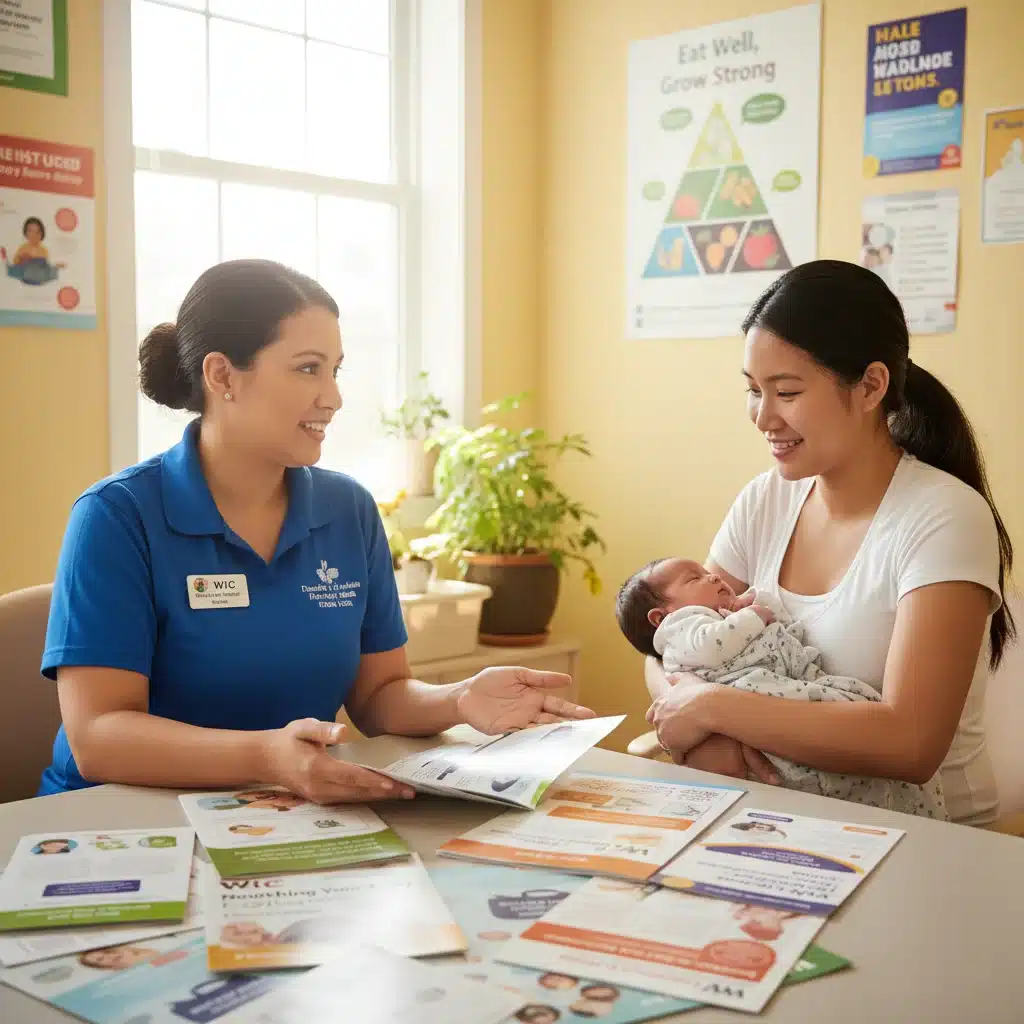
- Provide nutritional education and counseling tailored to your family’s needs.
- Explain the WIC food package you are eligible for and how to use your WIC benefits (often via an EBT card).
It’s important that all family members applying for WIC attend this appointment, especially infants and children, as they need to be present for their health assessments. The WIC Program 2026 emphasizes personalized support, and this initial appointment is crucial for setting up that relationship.
Step 4: Receive and Utilize Your WIC Benefits
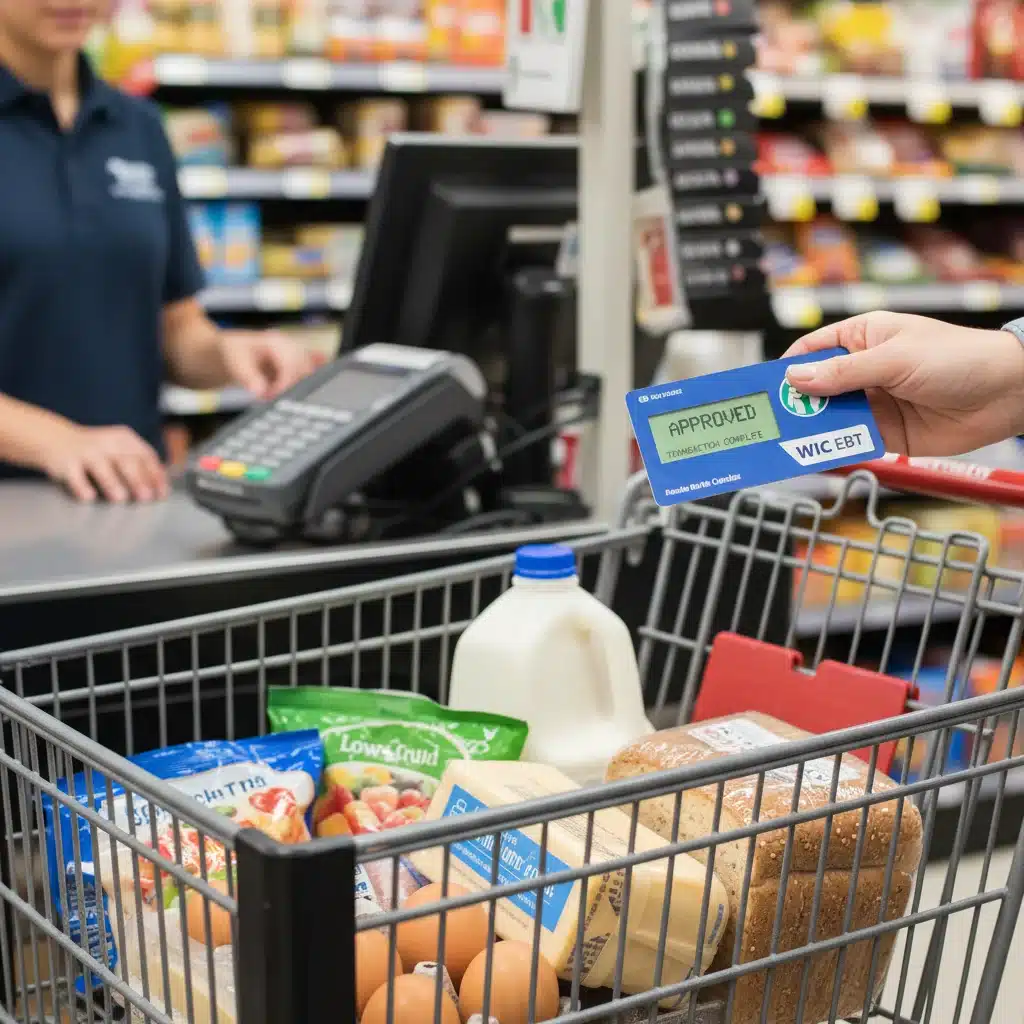
Upon certification, you will receive your WIC benefits, typically loaded onto an EBT (Electronic Benefit Transfer) card. This card works much like a debit card at authorized grocery stores. You’ll be able to purchase the specific WIC-approved foods outlined in your food package. WIC staff will provide a list of approved foods and stores in your area.
Remember that WIC benefits are not just about the food; they also include ongoing nutritional education, breastfeeding support, and referrals to other health and social services. Engaging with these resources can further enhance the positive impact of the WIC Program 2026 on your family’s health.
The Broader Impact: Why WIC Matters for Public Health in 2026 and Beyond
The enhancements to the WIC Program 2026 food packages and the continued emphasis on comprehensive support services underscore its critical role in the broader public health landscape. WIC is more than just a food supplement program; it’s an investment in the foundational health of future generations.
Addressing Health Disparities
WIC primarily serves low-income families, who are disproportionately affected by food insecurity and diet-related health issues. By providing access to nutritious foods and health education, WIC directly works to reduce health disparities. The expanded fruit and vegetable allowances in the WIC Program 2026 are particularly important in this regard, as they encourage consumption of foods often lacking in the diets of economically disadvantaged populations.
Promoting Lifelong Healthy Habits
Early childhood is a critical period for developing dietary preferences and habits. WIC’s focus on educating parents and providing healthy food options helps establish a foundation for lifelong healthy eating. This early intervention can lead to a reduction in chronic diseases such as obesity, type 2 diabetes, and heart disease later in life. The nutritional counseling offered by the WIC Program 2026 is tailored to each family, helping them understand the importance of balanced meals and healthy snacks.
Economic Benefits and Community Support
Beyond individual health, WIC also provides significant economic benefits. By improving maternal and child health, the program reduces healthcare costs associated with low birth weight, developmental delays, and other nutrition-related issues. Furthermore, WIC supports local economies by directing participants to purchase food at authorized retailers, many of which are small businesses. The stability and enhancements of the WIC Program 2026 ensure these benefits continue to ripple through communities.
Breastfeeding Support
A cornerstone of the WIC program is its robust support for breastfeeding mothers. Breastfeeding provides numerous health benefits for both mother and baby, and WIC offers resources such as lactation consultants, peer counselors, and breast pump loans. The WIC Program 2026 will continue to prioritize and strengthen these support services, recognizing the profound impact breastfeeding has on infant health and development, aligning with global health recommendations.
In essence, the WIC Program 2026 represents a forward-thinking approach to public health. By adapting its food packages and continuously refining its support services, WIC remains a dynamic and indispensable program for ensuring that every child has the best possible start in life, regardless of their family’s economic circumstances. Its continued evolution is a testament to its enduring commitment to health equity and nutritional well-being across the nation.
Addressing Common Questions About WIC in 2026
As the WIC Program 2026 updates roll out, many families will have questions. Here are answers to some common inquiries:
Will the income eligibility limits change in 2026?
The income eligibility limits are typically updated annually by the USDA based on federal poverty guidelines. While the 185% threshold of the U.S. poverty income guidelines is expected to remain consistent, the actual dollar amounts will likely be adjusted for inflation and other economic factors. Families should always check the most current guidelines with their local WIC agency.
How will the new food package changes affect what I can buy?
The most noticeable change for many participants in the WIC Program 2026 will be an increased cash value voucher for fruits and vegetables, allowing for more purchasing power in that category. There will also be greater flexibility in dairy alternatives and potentially a wider variety of whole grains and protein options. Your local WIC clinic will provide a detailed list of WIC-approved foods and any new additions or changes to specific brands or sizes.
What if I have dietary restrictions or allergies?
The WIC Program 2026 continues its commitment to accommodating participants with specific dietary needs, allergies, or cultural food preferences. When you undergo your nutritional assessment, be sure to inform the WIC staff about any restrictions. They can help tailor your food package to ensure you receive appropriate and safe food items, for example, by substituting cow’s milk with approved non-dairy alternatives if you are lactose intolerant.
Do I need to reapply for WIC every year?
WIC certification periods vary but typically last six months to a year. You will need to be re-certified periodically to ensure you still meet all eligibility criteria, including income and nutritional risk. Your local WIC agency will inform you of your re-certification date and the process for renewal. This regular check-in ensures that the WIC Program 2026 benefits continue to reach those who need them most.
Can fathers and other caregivers apply for WIC for their children?
Absolutely! WIC is for eligible women, infants, and children. While the ‘W’ stands for women, fathers, grandparents, foster parents, or other legal guardians who are the primary caregivers of eligible infants and children can apply for and receive WIC benefits on behalf of the children in their care. The focus is on the nutritional needs of the eligible child, regardless of who the primary caregiver is. This inclusivity ensures that all eligible children can benefit from the WIC Program 2026.
What if I move to a different state or county?
If you move, you should contact your current WIC agency to inform them of your relocation. They can help you transfer your WIC benefits to your new location. Each state and county has its own WIC program, so you’ll need to establish residency and potentially have a new certification appointment in your new area. The WIC program is designed to be accessible across the nation, and staff can guide you through the transfer process to ensure continuity of benefits.
These answers provide a general overview. For the most accurate and personalized information regarding the WIC Program 2026, it is always best to contact your local WIC clinic directly. Their staff are the most knowledgeable resource for specific state and local policies and procedures.
Conclusion: A Brighter Future with WIC Program 2026
The WIC Program 2026 updates represent a significant step forward in the ongoing commitment to support the health and well-being of women, infants, and young children across the United States. By enhancing food packages to align with the latest nutritional science and maintaining a robust framework for eligibility and support, WIC continues to be an indispensable resource for vulnerable families.
The increased emphasis on fruits and vegetables, greater flexibility in food choices, and continued dedication to nutritional education and breastfeeding support will undoubtedly contribute to healthier dietary patterns and improved health outcomes. These changes are not just about providing food; they are about fostering environments where children can grow, thrive, and reach their full potential, free from the hindrances of nutritional deficiencies.
For families who are pregnant, have infants, or young children up to age five, exploring the benefits of the WIC Program 2026 is a wise decision. The program offers a critical safety net, providing not only essential nutrients but also invaluable education and connections to healthcare. As we move into 2026, WIC stands ready to continue its legacy of positively impacting public health, one healthy family at a time.
We encourage all eligible families to reach out to their local WIC agency to learn more about how these enhancements can benefit them. The future of maternal and child nutrition looks brighter with the continued evolution and strengthening of the WIC program.