2026 Property Tax Assessments: Your Ultimate Guide to Understanding and Optimization
Anúncios
A Guide to Understanding and Optimizing Your 2026 Property Tax Assessments Across the U.S.
As we move closer to 2026, homeowners and real estate investors across the United States are beginning to turn their attention to an unavoidable financial reality: property tax assessments. For many, property taxes represent a significant annual expense, often second only to mortgage payments. Understanding your 2026 Property Tax assessment is not just about paying your dues; it’s about ensuring you’re not overpaying and proactively managing one of your largest recurring costs. This comprehensive guide will equip you with the knowledge and strategies needed to navigate the complexities of property tax assessments, identify potential discrepancies, and explore avenues for optimization.
The landscape of property taxation is dynamic, influenced by local economic conditions, real estate market trends, government spending, and assessment cycles. While the fundamental principles remain consistent, the specifics can vary dramatically from one state, county, or even municipality to another. This guide aims to provide a broad overview, highlighting common themes and offering actionable advice that can be tailored to your specific situation. By the end of this article, you will have a clearer understanding of how your property is assessed, what factors influence its value for tax purposes, and how you can prepare to potentially reduce your 2026 Property Tax burden.
Anúncios
What Drives Your 2026 Property Tax Assessment?
At its core, your property tax assessment is an ad valorem tax, meaning it’s based on the value of your property. Local government agencies, typically county or municipal assessors, are responsible for determining this value. But what exactly goes into this valuation, and why might it change for your 2026 Property Tax?
Understanding Market Value vs. Assessed Value
It’s crucial to distinguish between your property’s market value and its assessed value. Market value is what a willing buyer would pay a willing seller in an open market. Assessed value, however, is the value assigned to your property by the assessor for tax purposes. In many jurisdictions, the assessed value is a percentage of the market value, or it might be subject to caps on how much it can increase year over year, even if market values skyrocket. These caps are designed to protect homeowners from sudden, dramatic increases in their tax bills.
Key Factors Influencing Assessment
- Recent Sales of Comparable Properties: This is arguably the most significant factor. Assessors will look at what similar homes in your area have recently sold for. If your neighborhood has seen a surge in property values, your assessment is likely to reflect that.
- Property Characteristics: The size of your lot, the square footage of your home, the number of bedrooms and bathrooms, age, construction quality, amenities (like a pool or updated kitchen), and overall condition all play a role. Major renovations or additions can significantly increase your assessed value.
- Economic Conditions: Local and national economic health can impact property values. A robust economy often leads to higher demand for housing and, consequently, higher property values and assessments. Conversely, a downturn can lead to stagnation or decrease.
- Location: Proximity to good schools, public transportation, employment centers, parks, and other desirable amenities can boost property values.
- Zoning and Land Use: The zoning of your property and its permissible uses can also influence its value.
- Assessment Cycles: Jurisdictions have different assessment cycles. Some reassess annually, others every few years. Understanding your local cycle is vital for anticipating your 2026 Property Tax changes.
The Assessment Process: How Your 2026 Property Tax is Determined
While the exact process varies by location, the general steps for determining your 2026 Property Tax assessment typically involve:
1. Data Collection
Assessors gather a vast amount of data about properties within their jurisdiction. This includes property records, building permits, sales data, and often, physical inspections. They utilize Geographic Information Systems (GIS) and other technologies to manage and analyze this information efficiently.
2. Valuation Methods
Assessors primarily use three approaches to value property:
Anúncios
- Sales Comparison Approach: This is the most common method for residential properties, comparing your property to recently sold similar properties.
- Cost Approach: This method estimates the cost to replace the structure new, less depreciation, plus the value of the land. It’s often used for newer or unique properties where comparable sales are scarce.
- Income Approach: Primarily used for income-generating properties (like commercial buildings or rental properties), this method estimates value based on the income the property is expected to generate.
3. Notification of Assessment
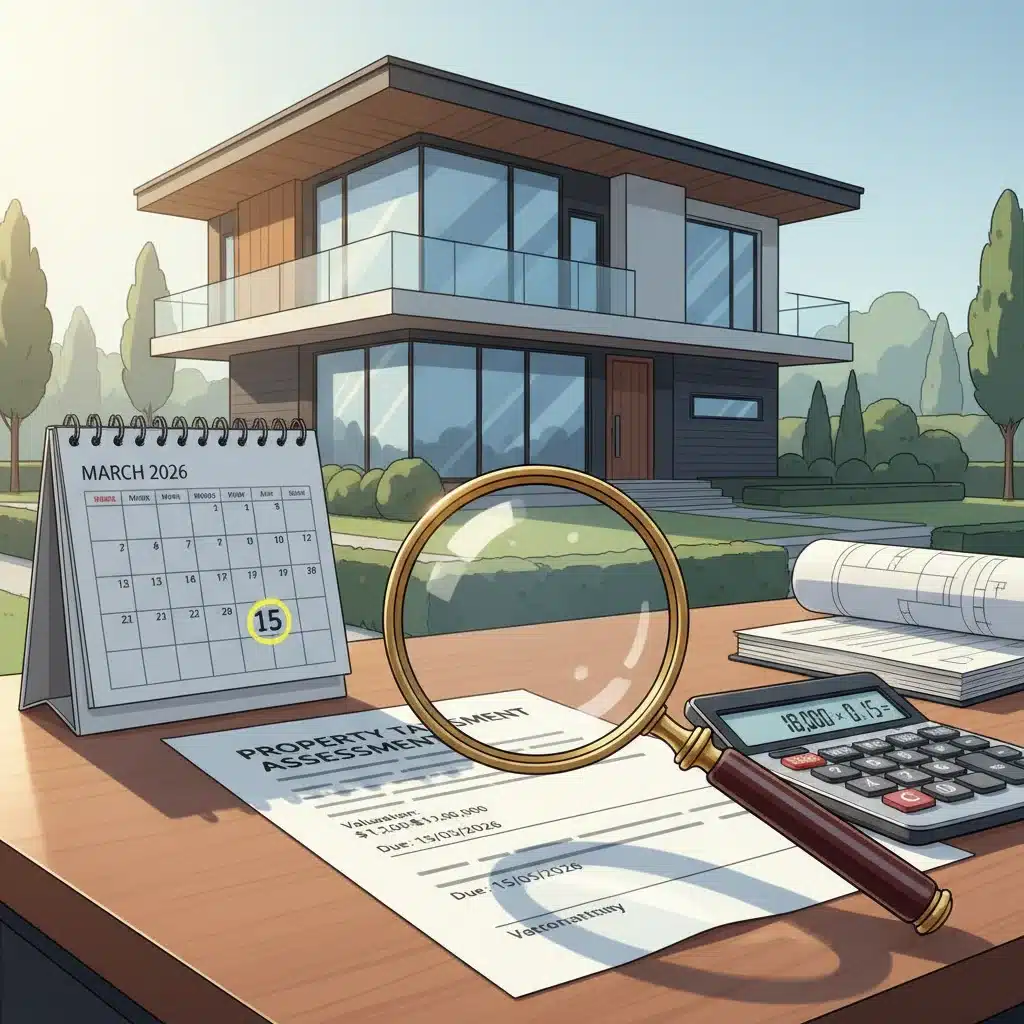
Once the assessment is complete, property owners receive a notice of assessment. This document is critical as it details the assessed value of your property and, importantly, the deadline for appealing the assessment. It’s imperative to review this notice carefully as soon as you receive it for your 2026 Property Tax.
4. Calculation of Tax Bill
Your actual property tax bill is calculated by multiplying your assessed value (or a percentage of it, depending on local rules) by the local tax rate (millage rate). The tax rate is set by local taxing authorities (e.g., city council, school board) to fund public services.
Strategies for Optimizing Your 2026 Property Tax
Receiving your 2026 Property Tax assessment notice can be daunting, especially if the value has increased significantly. However, you’re not powerless. There are several proactive steps you can take to potentially optimize or even reduce your property tax burden.
1. Review Your Assessment Thoroughly
This is the first and most critical step. Don’t just glance at the total. Scrutinize every detail on your assessment notice. Look for:
- Inaccuracies: Is the square footage correct? Number of bedrooms/bathrooms? Lot size? Are there features listed that your property doesn’t have, or is the condition misrepresented? Even minor errors can lead to an inflated assessment.
- Property Characteristics: Ensure the assessor’s records accurately reflect your property’s age, construction type, and any significant damage or deterioration.
- Exemptions and Deductions: Have you applied for and received all eligible exemptions (e.g., homestead exemption, senior citizen exemption, veteran exemption)? Many homeowners overlook these valuable savings opportunities.

2. Research Comparable Properties (Comps)
If you believe your assessment is too high, the burden of proof often falls on you. Start by researching recent sales of truly comparable properties in your neighborhood. Look for homes that:
- Are similar in size (square footage, lot size).
- Have a similar number of bedrooms and bathrooms.
- Are of similar age and construction quality.
- Are in similar condition (e.g., recently renovated vs. original condition).
- Sold within the past 6-12 months, ideally closer to the assessment date.
Websites of your local assessor’s office, real estate listing sites, and professional real estate agents can be excellent resources for this data. If you find several comparable sales that are significantly lower than your assessed value, you have a strong case for appeal for your 2026 Property Tax.
3. Understand Your Local Appeal Process
Each jurisdiction has a specific process and timeline for appealing property tax assessments. Missing a deadline can mean losing your opportunity to appeal for the current tax year. The process typically involves:
- Informal Review: Often, the first step is an informal discussion with the assessor’s office. You present your evidence, and they may agree to adjust the assessment without a formal hearing. This is usually the quickest and easiest route.
- Formal Appeal (Board of Review/Equalization): If an informal review is unsuccessful, you can file a formal appeal with a local board. This involves a hearing where you present your case, often with documentation and sometimes expert testimony (e.g., from an appraiser).
- Judicial Review: As a last resort, you can appeal the board’s decision to a higher court. This is typically the most expensive and time-consuming option.
Familiarize yourself with the specific forms, deadlines, and required documentation for your area well in advance of your 2026 Property Tax assessment.
4. Gather Strong Evidence
A successful appeal hinges on compelling evidence. This can include:
- Photos: Document any damage, deferred maintenance, or outdated features that might negatively impact your property’s value compared to similar, well-maintained homes.
- Appraisal Report: A professional appraisal from a certified appraiser can be a powerful piece of evidence, especially if it values your property lower than the assessor’s estimate.
- Sales Data: A detailed list of comparable sales, highlighting why they are more reflective of your property’s value.
- Repair Estimates: If your property requires significant repairs, obtaining estimates for these costs can support a lower valuation.
5. Consider Professional Help
If the appeal process seems too complex, or if your potential savings are substantial, consider hiring a property tax consultant or an attorney specializing in property tax appeals. They have expertise in local laws, access to data, and experience navigating the system, which can significantly increase your chances of success for your 2026 Property Tax.

Understanding Exemptions and Special Programs for Your 2026 Property Tax
Beyond appealing an overvaluation, many jurisdictions offer various exemptions and programs that can reduce your 2026 Property Tax liability. These vary widely by state and locality, but common examples include:
Homestead Exemptions
These are perhaps the most common exemptions, offering a reduction in the assessed value for properties that serve as the owner’s primary residence. The amount of the exemption varies significantly, but it can translate into hundreds or even thousands of dollars in savings annually. Eligibility usually requires you to occupy the home by a certain date and file the necessary paperwork.
Senior Citizen Exemptions
Many states and local governments provide additional property tax relief for senior citizens, often based on age and/or income limits. These can be substantial and are designed to help older adults remain in their homes.
Veteran Exemptions
Veterans, especially those with disabilities, may be eligible for property tax exemptions. The specifics (e.g., percentage of disability, service dates) are determined by state law.
Disabled Persons Exemptions
Similar to senior and veteran exemptions, some jurisdictions offer property tax relief for individuals with disabilities, often with income qualifications.
Agricultural/Greenbelt Exemptions
For properties used for agricultural purposes or those preserving open space, special assessment rules or exemptions may apply, valuing the land based on its current use rather than its potential development value. This can significantly lower the 2026 Property Tax for qualifying landowners.
Other Specific Exemptions
Depending on your location, there may be exemptions for historic properties, charitable organizations, certain types of improvements, or even specific environmental considerations. Always check with your local assessor’s office for a complete list of available programs and their eligibility requirements for your 2026 Property Tax.
The Impact of Market Trends on Your 2026 Property Tax
Real estate markets are constantly evolving, and these shifts directly influence property assessments. As you prepare for your 2026 Property Tax, it’s beneficial to understand how current and anticipated market trends might affect your property’s value.
Rising Home Values
In many parts of the U.S., home values have seen substantial increases in recent years. While this is good news for homeowners’ equity, it often translates to higher property tax assessments. Assessors typically use sales data from the previous year or two, so even if the market cools slightly in 2025, a strong 2024 market could still impact your 2026 Property Tax.
Inflation and Cost of Living
Inflation can indirectly affect property taxes. As the cost of providing public services (salaries for teachers and first responders, infrastructure maintenance) increases, local governments may need to raise tax rates or rely on higher assessed values to meet their budgetary needs.
New Construction and Development
Areas experiencing significant new construction or redevelopment can see overall property values rise. New developments often bring improved infrastructure and amenities, making the area more desirable, which can impact existing property assessments.
Interest Rate Fluctuations
While not a direct factor in property assessment, interest rates influence housing affordability and demand. Higher rates can cool the housing market, potentially slowing the growth of property values, which could have a delayed effect on future assessments. However, the impact on 2026 Property Tax assessments will primarily reflect market conditions from 2024-2025.
Proactive Steps for Homeowners
Being proactive is key to managing your 2026 Property Tax. Here are some steps you can take throughout the year, not just when the assessment notice arrives:
- Stay Informed: Keep an eye on local real estate trends, particularly sales in your immediate neighborhood. Websites like Zillow, Redfin, and the local county assessor’s site can provide valuable data.
- Maintain Accurate Records: Keep meticulous records of any home improvements, major repairs, or significant damage. This documentation can be vital if you need to argue for a lower valuation.
- Annual Property Review: Walk around your property and compare its condition to similar homes in your area. Note any discrepancies that might justify a lower assessment.
- Know Your Deadlines: Mark your calendar for when assessment notices are typically sent out and, more importantly, the deadline for filing an appeal in your jurisdiction.
- Engage with Your Assessor’s Office: Don’t be afraid to reach out to your local assessor’s office with questions. They are there to provide information and clarify the assessment process.
Common Pitfalls to Avoid in Your 2026 Property Tax Assessment
While aiming to optimize your 2026 Property Tax, it’s equally important to be aware of common mistakes that can hinder your efforts:
- Ignoring the Assessment Notice: This is the biggest mistake. The notice contains crucial information and deadlines. Failing to review it means you might miss your window to appeal.
- Assuming the Assessment is Always Correct: Assessors do their best, but errors happen. It’s your right and responsibility to verify the accuracy of your assessment.
- Waiting Until the Last Minute: Gathering evidence and understanding the appeal process takes time. Starting early is crucial.
- Lacking Sufficient Evidence: A successful appeal requires concrete data and documentation, not just a feeling that your taxes are too high.
- Not Understanding Local Rules: Property tax laws are hyper-local. What works in one county might not apply in another. Always research your specific jurisdiction’s regulations.
- Over-Improving Your Home: While renovations can increase enjoyment, be mindful that significant upgrades can lead to higher assessments. Balance personal enjoyment with potential tax implications.
The Future of Property Tax: What to Expect Beyond 2026
Property tax policy is constantly debated and refined. Looking beyond your 2026 Property Tax, several trends might influence future assessments:
- Technology in Assessment: The use of AI, machine learning, and advanced data analytics is becoming more prevalent in property assessment, potentially leading to more accurate but also more frequent adjustments.
- Shifting Tax Burdens: As demographics change and local economies evolve, there may be shifts in how property taxes are levied and who bears the greatest burden.
- Environmental Factors: Climate change and environmental regulations could increasingly influence property values and, consequently, assessments, particularly in vulnerable areas.
- State-Level Reforms: Some states are exploring property tax caps, circuit breakers, or other reforms to address affordability concerns and reduce the burden on homeowners.
Staying informed about these broader trends can help you anticipate long-term changes to your property tax landscape.
Conclusion: Empowering Yourself for Your 2026 Property Tax
Navigating your 2026 Property Tax assessment doesn’t have to be a passive experience. By understanding the assessment process, diligently reviewing your notice, researching comparable properties, and knowing your rights and available exemptions, you can empower yourself to potentially reduce your tax burden. Property taxes are a significant financial commitment, and taking the time to understand and optimize them is a wise investment in your financial well-being.
Remember, the goal isn’t to avoid paying your fair share, but to ensure that your assessment is accurate and equitable. With the right approach and timely action, you can confidently manage your 2026 Property Tax and protect your financial interests as a homeowner or investor. Start preparing today, and be ready to act when your assessment notice arrives.