Unlocking Hidden Savings: A Step-by-Step Guide to Identifying and Utilizing 2026 Federal Tax Credits for Homeowners
Anúncios
As a homeowner, navigating the ever-evolving landscape of federal tax codes can feel like a daunting task. Yet, hidden within these complex regulations are invaluable opportunities for significant savings. For 2026, the federal government continues to offer a suite of tax credits designed to incentivize specific homeowner behaviors, from energy-efficient upgrades to certain accessibility modifications. Understanding and strategically utilizing these 2026 homeowner tax credits can translate into substantial reductions in your annual tax burden. This comprehensive guide will equip you with the knowledge and actionable steps needed to identify, claim, and maximize these crucial financial benefits.
We will delve deep into the specific credits available, explore eligibility requirements, and provide practical advice on documentation and application processes. Whether you’re planning a major renovation or simply looking to make your home more energy-efficient, grasping these tax credits is paramount to optimizing your financial health as a homeowner. Prepare to unlock hidden savings and make your home work harder for you.
Understanding the Landscape of 2026 Homeowner Tax Credits
The federal government uses tax credits as a powerful tool to encourage behaviors deemed beneficial for the economy, environment, or social welfare. Unlike tax deductions, which reduce your taxable income, tax credits directly reduce the amount of tax you owe, dollar for dollar. This makes them incredibly valuable. For homeowners, these credits often center around making homes more sustainable, safer, or more accessible.
Anúncios
The landscape of 2026 homeowner tax credits is primarily shaped by various legislative acts, including the Inflation Reduction Act (IRA) of 2022, which significantly expanded and extended many energy-related tax incentives. While some credits are ongoing, others have specific expiration dates or annual limits that homeowners must be aware of. Staying informed about these nuances is the first step toward successful utilization.
Key Categories of Homeowner Tax Credits for 2026
Generally, 2026 homeowner tax credits can be broadly categorized into a few key areas:
- Energy Efficiency and Renewable Energy Credits: These are arguably the most prominent and impactful credits for many homeowners. They encourage investments in cleaner energy sources and improvements that reduce energy consumption.
- Medical and Accessibility-Related Credits: While less common, certain home modifications made for medical care or to improve accessibility for a disabled family member can sometimes qualify for tax benefits.
- Residential Clean Energy Credit: This is a major player, offering a substantial credit for things like solar panels, wind turbines, and geothermal heat pumps.
- Energy Efficient Home Improvement Credit: This credit covers a broader range of energy-saving upgrades, including insulation, windows, doors, and certain HVAC systems.
It’s crucial to remember that tax laws are subject to change. While this guide provides the most up-to-date information for 2026 based on current legislation, always consult official IRS publications or a qualified tax professional for the most accurate and personalized advice.
Deep Dive into Energy Efficiency and Renewable Energy Credits
The push for a greener future means significant financial incentives for homeowners who embrace energy-efficient upgrades. These are often the most generous and widely applicable 2026 homeowner tax credits.
1. The Residential Clean Energy Credit (Section 25D)
This credit is a powerhouse for homeowners looking to install renewable energy systems. For installations placed in service after 2021 and before 2033, the credit is 30% of the cost of new, qualified clean energy property for your home. There are no annual or lifetime dollar limits for most of these technologies, making it incredibly attractive for significant investments.
Anúncios
What Qualifies?
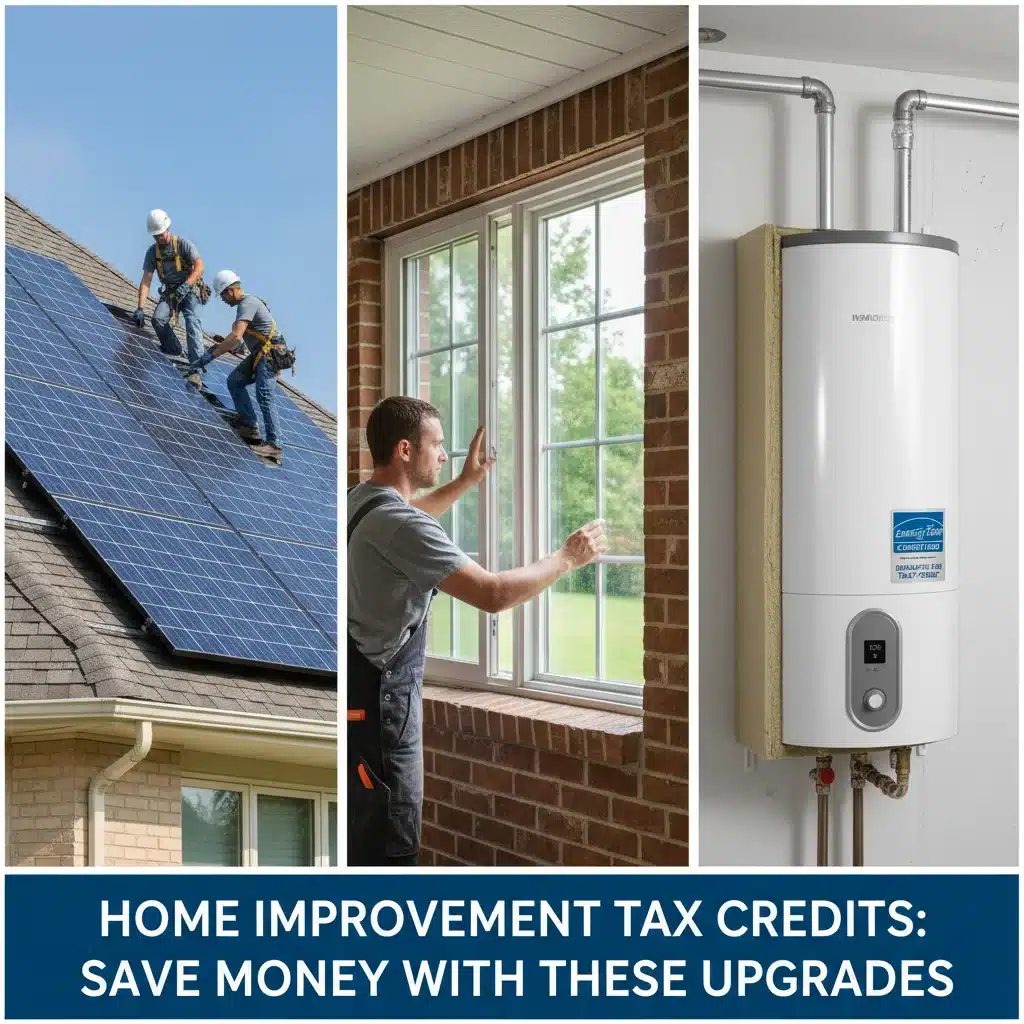
- Solar Electric Property (Solar Panels): This includes equipment that uses solar energy to generate electricity for your home.
- Solar Water Heating Property: Systems that use solar energy to heat water for use in your dwelling. At least half of the energy generated by the solar water heating property must be from the sun.
- Wind Energy Property: Equipment that uses wind energy to generate electricity for your home.
- Geothermal Heat Pump Property: Equipment that uses the natural heat stored in the earth to heat or cool a home.
- Fuel Cell Property: For fuel cell property, the credit is capped at $500 per half kilowatt of capacity.
- Battery Storage Technology: This is a significant addition. For units with a capacity of at least 3 kilowatt hours, the cost of installing a battery storage system that stores energy for your home qualifies. This is particularly valuable for those with solar panels looking to maximize their energy independence.
Key Considerations:
- New Equipment: The equipment must be new and placed in service by you.
- Location: The property must be installed in connection with a dwelling unit located in the United States that you use as a residence.
- Labor Costs: The costs of labor for onsite preparation, assembly, or original installation of the property, and for piping or wiring to interconnect such property to the home, are included.
This credit is nonrefundable, meaning it can reduce your tax liability to $0, but you won’t get a refund for any credit amount exceeding your tax liability. However, you can carry forward any unused credit to future tax years.
2. The Energy Efficient Home Improvement Credit (Section 25C)
This credit, also significantly enhanced by the IRA, offers a more accessible path to savings for a broader range of energy-efficient upgrades. It’s available for improvements made to your main home located in the United States.
For property placed in service after 2022 and before 2033, the credit is equal to 30% of the costs of certain qualified energy efficiency improvements and residential energy property expenditures.
Annual Limits:
Unlike the Residential Clean Energy Credit, this one has annual limits:
- Maximum Annual Credit: $1,200 for most energy property costs and home energy audits.
- Specific Limits for Certain Items:
- Exterior Doors: Up to $250 per door, with an aggregate limit of $500.
- Exterior Windows and Skylights: Up to $600.
- Home Energy Audits: Up to $150.
- Heat Pumps, Biomass Stoves, and Electric Panel Upgrades: A separate annual credit limit of $2,000 applies to these items, and they are also eligible for the 30% credit.
What Qualifies?
- Insulation Materials or Systems: Any insulation material or system that meets the prescriptive criteria established by the International Energy Conservation Code (IECC) for the year in which the material or system is placed in service. This includes things like spray foam, rigid insulation, and batt insulation.
- Exterior Windows, Skylights, and Exterior Doors: Must meet ENERGY STAR requirements.
- Central Air Conditioners, Water Heaters (non-solar), Furnaces, and Boilers: Must meet specific efficiency standards established by the Department of Energy (DOE).
- Heat Pumps and Heat Pump Water Heaters: Highly efficient models qualify for the $2,000 credit limit.
- Biomass Stoves and Boilers: Must meet specific efficiency ratings.
- Electric Panel Upgrades: Costs for upgrades to electrical panels, sub-panels, or branch circuits necessary to support qualified energy-efficient improvements.
- Qualified Home Energy Audits: The cost of an energy audit of your home conducted by a certified professional can also qualify.
This credit also has a nonrefundable characteristic, but similar to the Section 25D credit, any unused portion can be carried forward.
Navigating Eligibility and Documentation for 2026 Homeowner Tax Credits
Claiming 2026 homeowner tax credits effectively requires careful attention to eligibility criteria and meticulous record-keeping. The IRS is strict about documentation, and having everything in order will prevent headaches down the line.
General Eligibility Requirements:
- Principal Residence: Most credits apply to improvements made to your principal residence, which is generally the home you live in most of the time. Some exceptions exist for second homes (e.g., the Residential Clean Energy Credit can apply to a second home, but not a rental property).
- New Property: The equipment or improvements generally must be new. Used items typically do not qualify.
- Placed in Service: The property must be “placed in service” during the tax year. This means the installation is complete, and the property is ready for its intended use.
- Manufacturer Certifications: For many energy-efficient products, you’ll need documentation from the manufacturer certifying that the product meets the required efficiency standards (e.g., ENERGY STAR ratings). Keep these certifications!
- Labor Costs: For many credits, qualified labor costs for installation are included in the creditable amount.
Essential Documentation to Keep:
This is perhaps the most critical aspect of successfully claiming your 2026 homeowner tax credits. Without proper documentation, the IRS may deny your claim.
- Receipts and Invoices: Keep original receipts and invoices that clearly show:
- The date of purchase and installation.
- A detailed description of the item or service purchased.
- The cost of the item or service, broken down by materials and labor if applicable.
- The name and address of the seller or contractor.
- Manufacturer’s Certification Statements: For products like energy-efficient windows, doors, HVAC systems, or appliances, ensure you receive and retain the manufacturer’s certification statement. This document confirms that the product meets the required energy efficiency standards (e.g., ENERGY STAR).
- Proof of Payment: Canceled checks, credit card statements, or bank transfer records can serve as proof of payment.
- Contractor Information: If you hired a contractor, keep a copy of your contract, which should detail the work performed and the costs.
- Energy Audit Reports: If you claimed the credit for a home energy audit, keep the detailed report provided by the certified auditor.
- Photos (Optional but Recommended): Taking before-and-after photos of your improvements can be helpful visual evidence, especially for significant projects.
Organize these documents meticulously. Create a dedicated folder, either physical or digital, for all tax-related homeowner expenses. This will save you immense time and stress come tax season.
Step-by-Step Guide to Claiming Your 2026 Homeowner Tax Credits
Once you’ve identified eligible improvements and gathered your documentation, the next step is to correctly claim your 2026 homeowner tax credits on your federal tax return.
Step 1: Determine Eligibility for Each Credit
Review each home improvement you made and match it against the specific requirements for the Residential Clean Energy Credit (Form 5695) and the Energy Efficient Home Improvement Credit (also Form 5695). Pay close attention to:
- The specific type of equipment or improvement.
- The efficiency standards required.
- The date the item was placed in service.
- Any annual or lifetime limits associated with the credit.
For example, if you installed solar panels and new energy-efficient windows, you’ll calculate the credit for solar panels under one section of Form 5695 and the windows under another, subject to their respective limits.
Step 2: Complete IRS Form 5695, Residential Energy Credits
This is the primary form used to claim most 2026 homeowner tax credits related to energy efficiency. You will need to itemize your qualified expenses on this form.
- Part I – Residential Clean Energy Credit: Use this section for renewable energy property like solar panels, wind turbines, geothermal heat pumps, and battery storage. You’ll enter the cost of each qualifying item, and the form will guide you through calculating the 30% credit.
- Part II – Energy Efficient Home Improvement Credit: This section is for improvements like insulation, energy-efficient windows and doors, and qualified HVAC systems. You’ll list the costs and the form will apply the 30% rate, subject to the $1,200 annual limit and specific limits for doors, windows, etc. It also includes the separate $2,000 limit for heat pumps, biomass stoves, and electrical panel upgrades.
The form will then total your credits from both parts. If you have unused credit from previous years, you may also factor that in.
Step 3: Transfer the Credit to Form 1040
After completing Form 5695, the total residential energy credit amount calculated will be transferred to your main income tax return, Form 1040, Schedule 3 (Additional Credits and Payments), Line 5. This directly reduces your tax liability.
Step 4: Keep All Documentation
As emphasized earlier, do not submit your receipts or manufacturer certifications with your tax return. However, keep them in a safe place for at least three years (or longer, depending on your state’s requirements) in case the IRS audits your return.
Step 5: Consider Professional Tax Advice
While this guide provides a thorough overview, tax laws can be complex, and individual situations vary. If you have significant home improvements, multiple credits to claim, or are unsure about any aspect of the process, consulting a qualified tax professional is always a wise decision. They can ensure you maximize your eligible 2026 homeowner tax credits and avoid costly mistakes.

Maximizing Your 2026 Homeowner Tax Credits: Strategic Planning
Beyond simply claiming available credits, strategic planning can help you maximize your benefits and make the most of your home improvement investments. Here are some advanced tips for leveraging 2026 homeowner tax credits.
Plan Your Projects with Credits in Mind
If you’re considering home improvements, research the available tax credits before you start. Knowing what qualifies and what doesn’t can influence your material choices and project scope. For example, opting for an ENERGY STAR certified window over a standard one might cost slightly more upfront but could result in a significant tax credit, making the net cost lower.
Understand Stacking and Carryovers
- Stacking Credits: You can often claim multiple credits in the same tax year if you meet the eligibility requirements for each. For instance, you could claim the Residential Clean Energy Credit for solar panels and the Energy Efficient Home Improvement Credit for new insulation in the same year.
- Credit Carryovers: Both the Residential Clean Energy Credit and the Energy Efficient Home Improvement Credit are nonrefundable but allow for carryovers. This means if your credit amount exceeds your tax liability in one year, you can carry the unused portion forward to reduce your tax liability in subsequent years, until the credit expires. This is a huge benefit for large investments.
Combine with State and Local Incentives
Federal tax credits are just one piece of the puzzle. Many states, counties, and even local utility companies offer their own rebates, grants, or tax incentives for energy-efficient home improvements. Researching these local programs can significantly amplify your savings. Always check if combining federal and local incentives is permissible, as some programs have rules about stacking.
Timing Your Projects
The “placed in service” date is crucial. If you complete a project late in the year, ensure it’s fully installed and operational by December 31st to claim the credit for that tax year. If it spills into the next year, you’ll claim it on the following year’s tax return.
Understand the Difference Between Credits and Deductions
While this guide focuses on credits, homeowners also have access to various deductions (e.g., mortgage interest deduction, property tax deduction, home office deduction for self-employed individuals). Remember that credits are generally more valuable dollar-for-dollar than deductions. Don’t confuse the two, but be sure to claim all applicable tax benefits.
Keep Up-to-Date with Tax Law Changes
Tax laws are not static. While this guide covers 2026 based on current legislation, Congress can pass new laws or amend existing ones. Regularly check the IRS website (IRS.gov) or consult with your tax advisor for the latest updates, especially as tax season approaches each year.
Common Pitfalls to Avoid When Claiming Homeowner Tax Credits
Even with careful planning, it’s easy to make mistakes that could cost you valuable savings. Being aware of these common pitfalls can help you navigate the process smoothly and ensure you correctly claim your 2026 homeowner tax credits.
1. Not Meeting Efficiency Standards
One of the most frequent errors is assuming an improvement qualifies without verifying its efficiency rating. For example, not all new windows or HVAC systems meet the specific ENERGY STAR or DOE efficiency requirements. Always check the product specifications and retain the manufacturer’s certification statement.
2. Inadequate Documentation
As highlighted, documentation is paramount. Losing receipts, having unclear invoices, or failing to retain manufacturer certifications can lead to a disallowed credit during an audit. Be meticulous in your record-keeping from the moment you purchase materials or hire a contractor.
3. Misunderstanding ‘Placed in Service’
The credit applies in the year the property is “placed in service,” not necessarily the year it was purchased or paid for. If you buy materials in December but the installation isn’t complete until January, the credit would typically be claimed in the following tax year.
4. Confusing Principal Residence Rules
Most credits apply to your principal residence. While the Residential Clean Energy Credit can apply to a second home, it generally doesn’t apply to rental properties (unless you live in one unit and rent out others, in which case specific rules apply). Ensure your property qualifies based on its use.
5. Exceeding Annual or Lifetime Limits
For the Energy Efficient Home Improvement Credit, it’s easy to overlook the annual $1,200 limit (and specific sub-limits for certain items) or the separate $2,000 limit for heat pumps, etc. Keep track of your total qualified expenses for each category within a tax year to avoid claiming more than allowed.
6. Forgetting About Labor Costs
Many homeowners only consider the cost of materials. However, for most qualifying improvements, the labor costs for onsite preparation, assembly, or installation are also includible in the credit calculation. Don’t leave these out!
7. Not Carrying Forward Unused Credits
If your credit amount exceeds your tax liability for the year, don’t forget to carry forward the unused portion to future tax years. This ensures you eventually receive the full benefit of your investment. Tax software and professionals are usually adept at handling this automatically, but it’s good to be aware.
8. Relying Solely on Contractor Information
While contractors can provide valuable guidance, ultimately, it’s your responsibility to ensure the improvements meet IRS requirements. Always double-check their claims against official IRS publications or consult a tax professional. Some contractors may not be fully up-to-date on all the intricate tax rules.
By being vigilant about these potential pitfalls, you can confidently navigate the process and successfully claim your 2026 homeowner tax credits.
Beyond Federal Credits: Other Avenues for Homeowner Savings
While federal tax credits are a significant benefit, homeowners should also explore other avenues for financial relief and savings related to their property. A holistic approach to financial planning can uncover even more opportunities.
State and Local Programs
As mentioned, many states and local municipalities offer their own incentives for energy efficiency, renewable energy, and even certain home safety or accessibility improvements. These can come in the form of:
- State Tax Credits: Similar to federal credits, these directly reduce your state tax liability.
- Rebates: Direct payments from state agencies or utility companies for purchasing specific energy-efficient appliances or making qualified upgrades.
- Grants: Non-repayable funds, often targeted at low-income households or specific types of improvements.
- Property Tax Exemptions or Abatements: Some areas offer reduced property taxes for homes with certain energy-efficient features.
Websites like DSIRE (Database of State Incentives for Renewables & Efficiency) are excellent resources for finding these localized programs.
Utility Company Rebates
Many utility providers offer rebates for upgrading to energy-efficient appliances (e.g., smart thermostats, efficient water heaters, upgraded insulation). These rebates are often straightforward to claim and can be combined with federal tax credits, further reducing your out-of-pocket costs.
Home Energy Audits
Investing in a professional home energy audit can be highly beneficial. Not only can the cost of the audit itself qualify for the Energy Efficient Home Improvement Credit (up to $150), but the audit report will also pinpoint areas where your home is losing energy, suggesting the most impactful improvements. This guided approach ensures your investments are targeted and yield the greatest returns in terms of both energy savings and potential tax credits.
Homeowner’s Insurance Discounts
Certain home improvements, particularly those that enhance safety or reduce risk, might qualify you for discounts on your homeowner’s insurance premiums. Examples include installing reinforced roofs, advanced security systems, or certain types of storm-resistant windows.
Increased Home Value
While not a direct tax credit, many of the improvements that qualify for federal tax credits, such as solar panel installations and energy-efficient upgrades, also significantly increase your home’s resale value. Buyers are often willing to pay a premium for homes with lower utility bills and modern, sustainable features.
Long-Term Energy Savings
Perhaps the most immediate and ongoing benefit of energy-efficient upgrades is the reduction in your monthly utility bills. The savings from lower electricity, gas, or oil consumption can add up substantially over the years, providing a continuous return on your investment, separate from any upfront tax benefits.
By considering all these avenues, homeowners can build a comprehensive strategy for maximizing their financial benefits and enhancing their property value, well beyond just the 2026 homeowner tax credits.
Conclusion: Empowering Homeowners with 2026 Federal Tax Credits
Navigating the world of federal tax credits can seem complex, but for homeowners, the rewards are substantial. The 2026 homeowner tax credits, particularly those focused on energy efficiency and renewable energy, offer a powerful incentive to invest in your property while simultaneously reducing your tax burden and contributing to a more sustainable future.
This guide has walked you through the critical aspects of these credits: understanding what qualifies, meticulously documenting your expenses, and following the correct steps for claiming them on your tax return. From the generous 30% Residential Clean Energy Credit for solar installations to the broader Energy Efficient Home Improvement Credit for insulation, windows, and HVAC upgrades, there are numerous opportunities to save.
Remember, strategic planning is key. Before embarking on any major home improvement project, take the time to research which improvements qualify for credits, gather all necessary documentation, and consider consulting a tax professional. By doing so, you can ensure you maximize every available dollar of savings.
Don’t let these valuable opportunities pass you by. Empower yourself with knowledge, plan your projects wisely, and confidently claim the 2026 homeowner tax credits you deserve. Your home, your wallet, and the environment will thank you for it. Start your research today and transform your home into a more energy-efficient, valuable, and financially rewarding asset.